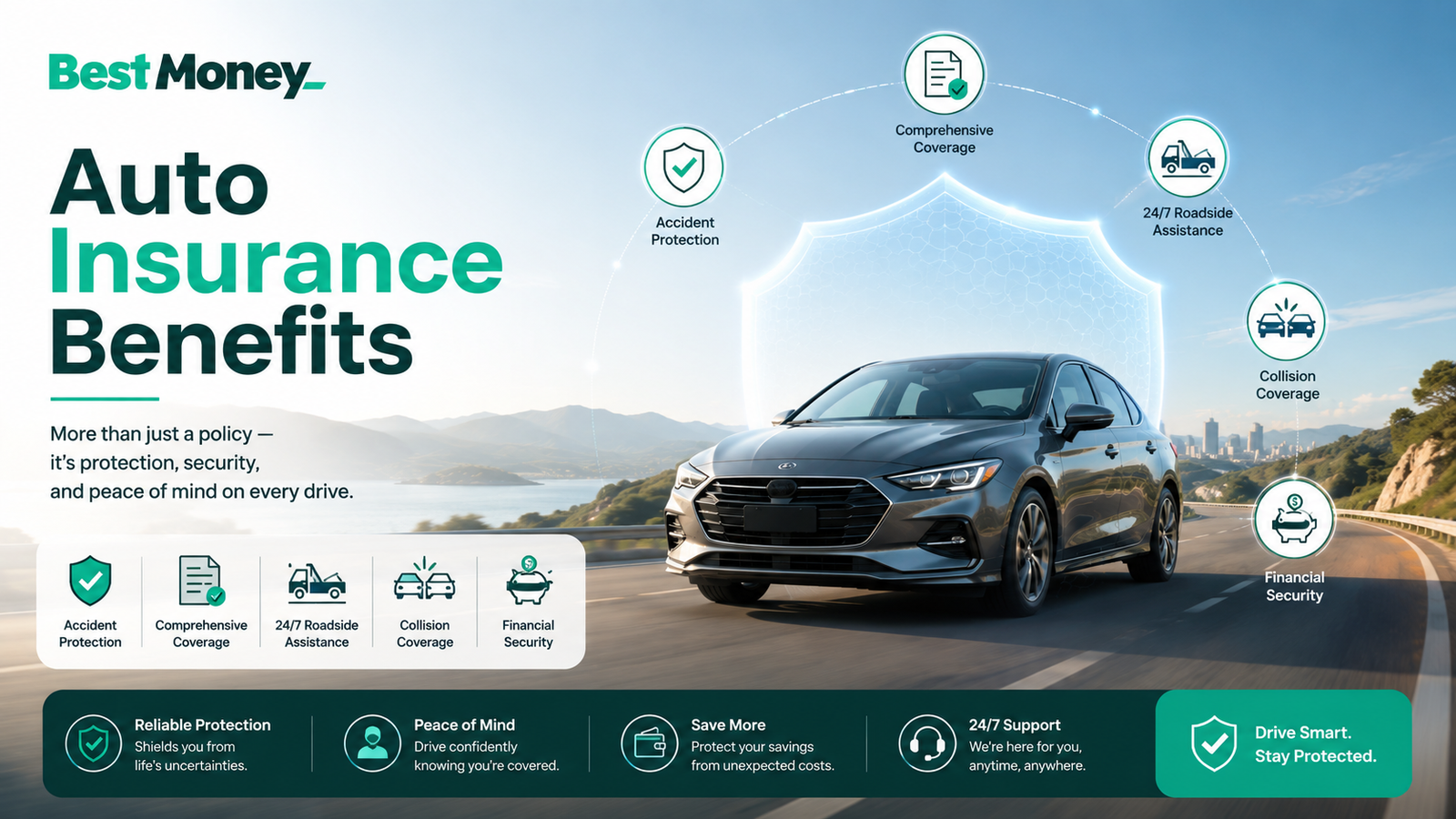



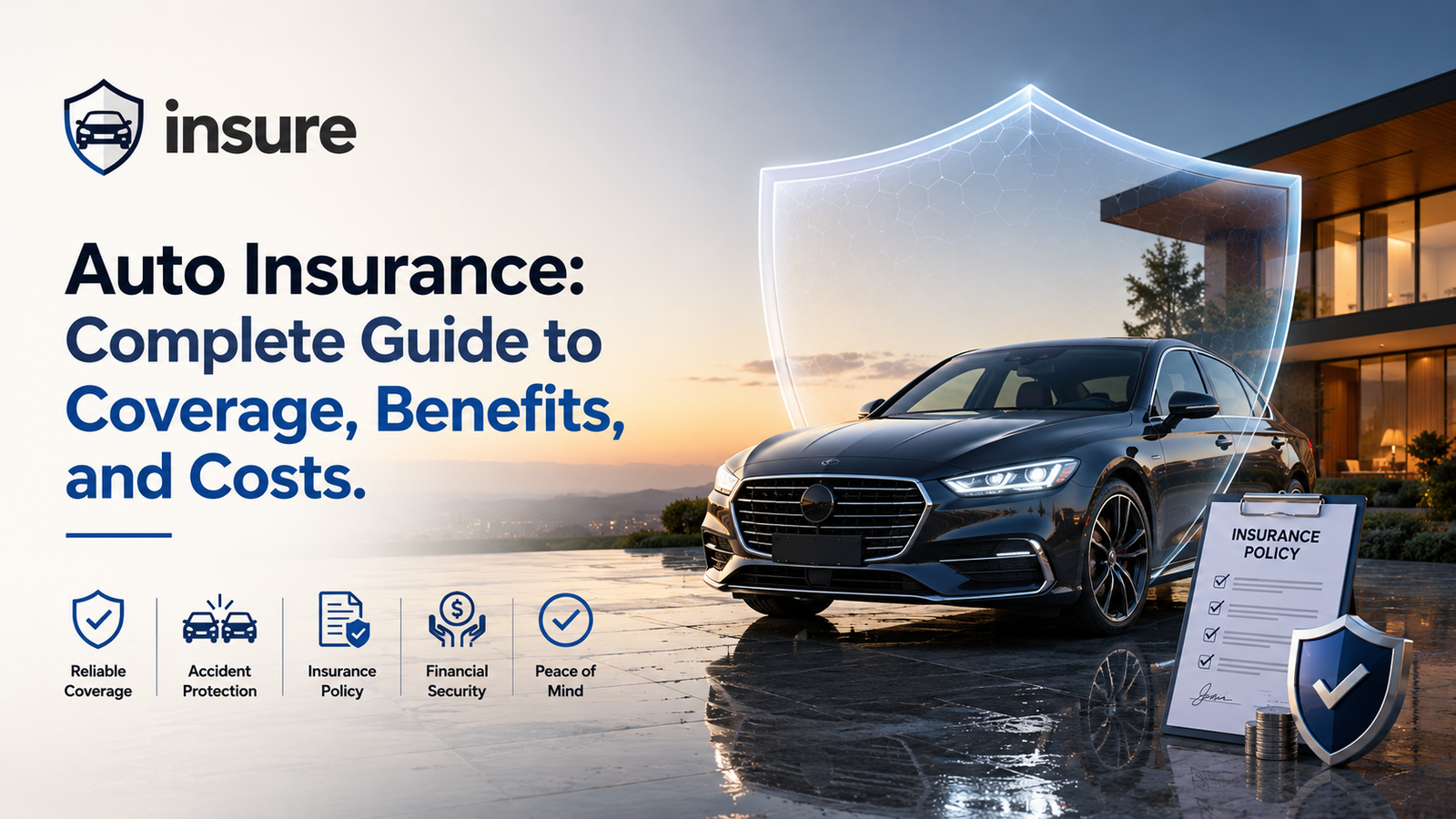



Auto insurance is an essential financial protection for vehicle owners and drivers. It can help cover expenses resulting from accidents, vehicle damage, theft, injuries, and other unexpected events. While auto insurance is required by law in many places, choosing the right policy involves more than simply meeting the minimum legal requirements.
Understanding how auto insurance works, what different types of coverage provide, and which factors influence premiums can help drivers make informed decisions and avoid unnecessary financial risks.
What Is Auto Insurance?
Auto insurance is a contract between a driver or vehicle owner and an insurance company. In exchange for a premium, the insurer provides financial protection against specific losses covered by the policy.
Depending on the policy, coverage may help pay for damage to your vehicle, damage you cause to another person’s property, medical expenses, legal costs, or losses resulting from theft and other covered events.
The exact protection available depends on the policy terms, coverage limits, deductibles, exclusions, and local insurance regulations.
Why Is Auto Insurance Important?
Driving without adequate insurance can expose you to significant financial liability. Even a minor accident can result in repair bills, medical expenses, or property damage costs. A serious accident may create much larger expenses.
Auto insurance can provide several important benefits:
- Financial protection: Helps manage covered accident and vehicle-related expenses.
- Liability protection: May cover certain costs when you are legally responsible for injuries or property damage.
- Vehicle protection: Comprehensive and collision coverage can protect against various types of vehicle damage.
- Legal compliance: Many jurisdictions require drivers to maintain a minimum level of liability insurance.
- Peace of mind: Knowing that you have appropriate coverage can reduce financial uncertainty after an unexpected incident.
Types of Auto Insurance Coverage
Auto insurance policies can include several different types of coverage. The right combination depends on your vehicle, driving habits, financial situation, and local requirements.
1. Liability Insurance
Liability insurance generally helps cover injuries or property damage you cause to another person in an accident for which you are legally responsible.
It commonly includes:
- Bodily injury liability: May help cover another person’s medical expenses, lost income, and related costs.
- Property damage liability: May help pay for damage you cause to another person’s vehicle or property.
Liability coverage typically does not pay for damage to your own vehicle.
2. Collision Coverage
Collision coverage can help pay to repair or replace your vehicle when it is damaged in a covered collision, subject to the policy’s deductible and limits.
For example, collision coverage may apply when you:
- Hit another vehicle.
- Strike an object such as a pole or barrier.
- Lose control and collide with another object.
3. Comprehensive Coverage
Comprehensive coverage generally protects against vehicle damage caused by events other than collisions.
Depending on the policy, covered events may include:
- Theft
- Fire
- Vandalism
- Hail or storms
- Falling objects
- Animal-related damage
Comprehensive coverage typically has a deductible that you must pay before the insurer contributes toward a covered loss.
4. Uninsured and Underinsured Motorist Coverage
This coverage can provide protection when you are involved in an accident with a driver who has no insurance or does not have enough insurance to cover your losses.
Availability and requirements vary by location.
5. Medical Payments or Personal Injury Protection
Some policies include coverage for medical expenses resulting from an auto accident. Depending on the jurisdiction, this may be called medical payments coverage or personal injury protection (PIP).
PIP may provide broader benefits in certain regions, potentially including medical expenses and other qualifying costs after an accident.
6. Roadside Assistance
Roadside assistance may help with services such as towing, a flat tire, battery problems, lockouts, or fuel delivery, depending on the policy.
Although it is not a substitute for core insurance coverage, it can be useful for drivers who want additional assistance during vehicle breakdowns or emergencies.
What Factors Affect Auto Insurance Rates?
Insurance companies generally consider multiple factors when determining premiums. The importance of each factor varies by insurer and location.
Common factors can include:
Driving History
A history of accidents, traffic violations, or insurance claims may affect the cost of coverage. Drivers with a strong driving record may qualify for lower rates with some insurers.
Age and Driving Experience
Age and driving experience can influence insurance pricing because insurers use historical risk data when assessing premiums.
Location
Where you live and regularly drive can affect rates. Areas with higher accident frequencies, vehicle theft, traffic congestion, or repair costs may have different premiums.
Vehicle Type
The make, model, age, safety features, repair costs, theft risk, and value of a vehicle can influence insurance costs.
Coverage and Deductibles
Higher coverage limits generally provide greater financial protection but can increase premiums. Choosing a higher deductible may reduce the premium, although it means paying more out of pocket after a covered claim.
Claims History
A history of frequent claims may affect pricing, depending on the insurer and applicable regulations.
Credit-Based Insurance Factors
In some jurisdictions, insurers may use credit-based insurance information when determining premiums. Rules differ significantly by location, so consumers should check the regulations that apply where they live.
How to Choose the Right Auto Insurance Policy
Selecting an auto insurance policy should focus on both affordability and adequate protection.
1. Understand Your Legal Requirements
Start by determining the minimum insurance requirements in your jurisdiction. Meeting the minimum requirement is important, but minimum coverage may not provide sufficient protection for every driver.
2. Evaluate Your Financial Risk
Consider how much you could realistically afford to pay after an accident. If paying for a major repair or liability claim would create serious financial difficulty, broader coverage and higher limits may be worth considering.
3. Compare Multiple Quotes
Insurance premiums can vary substantially between companies for similar coverage. Compare quotes using the same coverage limits, deductibles, and policy features so that you are making a meaningful comparison.
4. Check Policy Limits and Exclusions
A low premium does not necessarily mean a better deal. Review what the policy covers, what it excludes, the coverage limits, deductibles, and conditions that apply to claims.
5. Consider Your Vehicle’s Value
For an older vehicle with a relatively low market value, comprehensive and collision coverage may provide less financial value than they would for a newer or more expensive vehicle. However, the decision should also consider your ability to replace the vehicle if it is damaged or totaled.
6. Look for Available Discounts
Depending on the insurer and location, discounts may be available for factors such as safe driving, multiple vehicles, bundling policies, vehicle safety features, or other qualifying circumstances.
How to Save Money on Auto Insurance
Drivers can often reduce insurance costs without sacrificing essential protection.
Some strategies include:
- Compare quotes from multiple insurers.
- Maintain a clean driving record.
- Review your coverage annually.
- Ask about available discounts.
- Consider whether your deductible is appropriate for your financial situation.
- Avoid unnecessary coverage that does not provide meaningful value.
- Bundle eligible insurance policies when it makes financial sense.
- Keep your personal and vehicle information accurate and up to date.
The cheapest policy is not always the best option. A better goal is to find the right balance between price, coverage, deductibles, service, and financial protection.
What to Do After an Auto Accident
After an accident, prioritize safety and follow local requirements.
If it is safe to do so:
- Move to a safe location when appropriate.
- Check whether anyone needs emergency medical assistance.
- Contact the relevant emergency authorities if necessary.
- Exchange required information with the other driver.
- Document the scene with photographs and notes when safe and permitted.
- Collect witness information if available.
- Notify your insurance company promptly according to your policy requirements.
- Keep records of repair estimates, medical bills, correspondence, and other relevant documents.
Avoid admitting legal fault at the scene. Provide accurate information and allow the appropriate authorities and insurers to assess the circumstances.
Understanding Your Deductible
A deductible is the amount you are generally responsible for paying toward a covered claim before your insurer contributes, subject to the policy terms.
For example, if a covered repair costs $3,000 and your deductible is $500, you may be responsible for the first $500, while the insurer may cover the remaining eligible amount.
A higher deductible can sometimes reduce your premium, but you should choose an amount you could comfortably pay if you needed to make a claim.
Auto Insurance for Different Types of Drivers
Different drivers may have different insurance needs.
New Drivers
New drivers should pay close attention to liability limits, deductibles, and available discounts. Building a strong driving record over time can be valuable.
Families With Multiple Vehicles
Families may benefit from comparing multi-vehicle policies and potential bundling opportunities.
Drivers of Older Vehicles
Owners of older vehicles should evaluate whether comprehensive and collision coverage remains financially worthwhile based on the vehicle’s value and their ability to replace it.
High-Mileage Drivers
People who drive frequently may face greater exposure to accidents and should consider whether their coverage adequately reflects their driving patterns.
Common Auto Insurance Mistakes to Avoid
Several mistakes can lead to inadequate protection or unexpected costs.
Choosing Coverage Based Only on Price
The cheapest premium may come with lower limits, higher deductibles, or fewer benefits. Always compare policies based on coverage as well as price.
Selecting a Deductible You Cannot Afford
A lower premium is not helpful if you cannot comfortably pay the deductible after an accident.
Failing to Review Your Policy
Your insurance needs can change when you purchase a new vehicle, move, change your driving habits, or experience other major life changes.
Underestimating Liability Risk
Choosing only the minimum liability coverage may leave you financially exposed if damages exceed your policy limits.
Providing Inaccurate Information
Insurance applications and policy updates should contain accurate information. Incorrect details can create complications when making a claim.
Final Thoughts
Auto insurance is more than a legal requirement; it is an important part of responsible vehicle ownership and financial planning. The right policy can help protect you from potentially significant costs associated with accidents, vehicle damage, theft, injuries, and liability.
Before purchasing coverage, compare reputable insurers, understand your local requirements, review coverage limits and exclusions, and select deductibles that fit your financial situation. Taking the time to understand your policy can help you make a confident decision and ensure that your coverage matches your actual needs.